Table of Contents
During this phase in mourning, the discomfort of the loss begins to establish in. Or you might try to "strike a bargain" with a higher power, asking that the loss be taken away in exchange for something on your component.
It remains in this phase in grieving that you start to genuinely understand the fact of your loss. You start to get used to your brand-new life, and the intensity of the pain you feel from the loss starts to reduce. Now in the grieving process, you might observe that you really feel calmer.
You start to reconstruct your new normal, working with any type of issues developed by the loss. It's not that all your various other sensations are gone, just much more so that you have actually accepted them and are prepared to relocate on.
This is not necessarily true and can actually be a challenge to their healing. Deal room for individuals to grieve. This allows the person understand we're available when they're prepared. We can welcome them to speak with us but keep in mind to provide understanding and recognition if they are not ready right now.
Frequent Misconceptions About EMDR for Successful PTSD & Trauma Specialists
Find out which option is the best for you. Several companies offer information or assistance for individuals going via the grieving procedure., help for individuals that have actually lost a child It is vital to keep in mind that every person copes with loss in different ways.

Also though many people will experience despair at some time in their lives, most are unprepared. We have actually most likely heard of the 5 stages of despair: deinal, anger, anxiety, and acceptance. For several, understanding them is another tale. Essentially, humans look for significance and purpose. We desire to make meaning from our experiences, and loss is a large experience.
For many, the big experience of loss, and the size of feeling that comes with it, really feels like undiscovered area. This is where the popular 5 stages of grief structure came from.
The structure she defined was especially regarding these people that were regreting their own fatalities. In this book, she describes what she saw the 5 phases of grief as: denial, rage, negotiating, anxiety, and acceptance.
Career Harmony After IFS / Parts Work Therapy
Kbler herself even increased her version to include these in another book, co-authored with fatality and grieving experienced David Kessler. The principle of the phases of despair has been extensively debated and increased considering that Dr. Kbler-Ross died in 2004. For instance, Kessler has actually recommended "definition" as the sixth phase of despair.
The first stage of grief is the denial stage. It's when regreting or bereaved persons can not or pick not to confess the loss that has occurred. Any person who is undergoing a large modification, like a divorce, or a significant loss, like the fatality of a family member, needs time to absorb the information.
The depression stage happens when you reduce down and fully encounter your grief. Clinical depression is one stage of pain that can be rather uncomfortable.
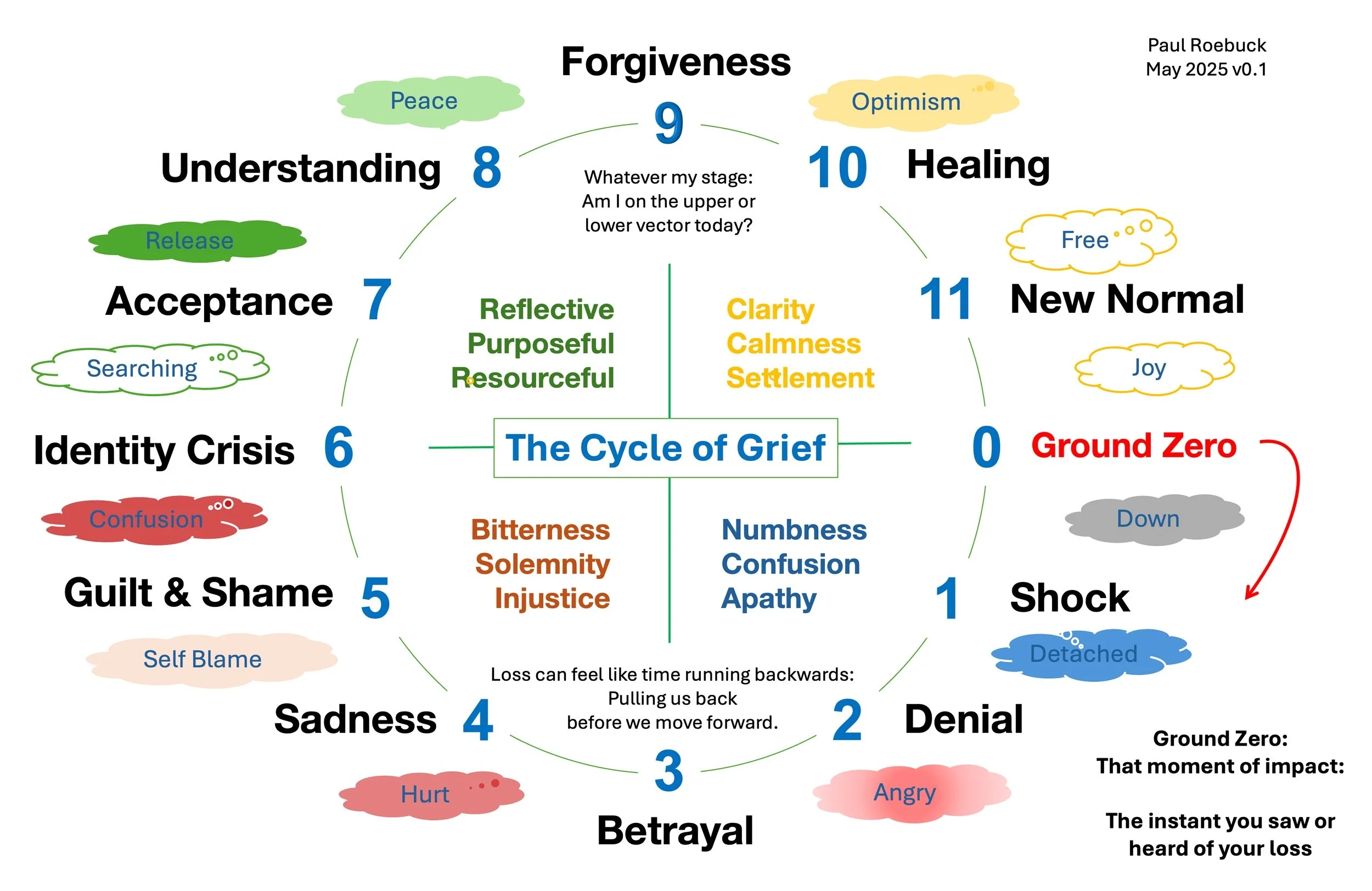
That does not mean it's a happy ending or a surface line though despair adjustments you and it alters your life. Acceptance implies concerning terms with those modifications and recognizing that you have actually begun to have even more good days than bad ones. The 5 phases have actually helped lots of people through the sorrow procedure.
Healing Shame-Based Patterns
Let's evaluate a few of the prospective defects of the 5 stages of pain to make sure that you recognize what to look for in yourself or others. Basically, Dr. Kbler-Ross collected anecdotes from about 200 terminally ill patients. She after that made use of those discussions to create the 5 stages of the sorrow design.
The 5 stages of sorrow design was planned to define the emotions of terminally ill and passing away patients, and Dr. Kbler-Ross's research was thus based on discussions with those individuals. Yes, pain is a global experience, yet all of us experience it differently, so the slim lens of this study is certainly a constraint for the model.
Many people's experience of pain will certainly differ merely due to the fact that despair is individual, and most of us experience it differently. Inevitably, incorrectly using the 5 phases of despair can bring about disenfranchised pain, which only aggravates the griever's signs and symptoms. The best way to prevent this is to take what works for you from the stages of despair version and leave the rest behind.

Navigation
Latest Posts
Healing Generational Wounds of Inherited Pain in Your Family
Compulsive Rituals in Portland, OR
Moving Beyond from Imposter Syndrome Through IFS / Parts Work Therapy in Your Area